


Why Green Walls Fail in Dubai (And How to Build One That Lasts)
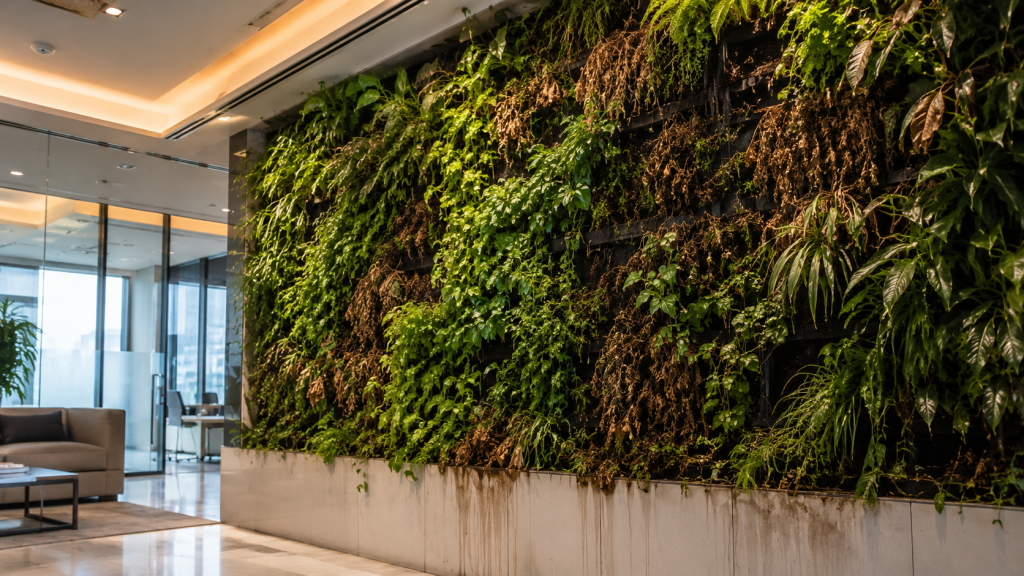
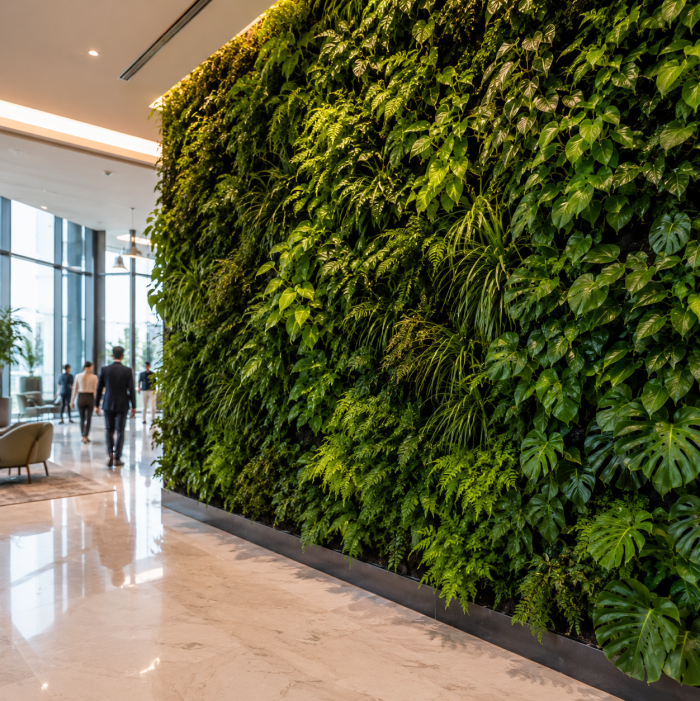
Green walls are one of the most visually striking elements in modern interior design, and one of the most frequently mismanaged. Across Dubai’s offices, hotels, and retail spaces, we’ve seen the same story repeated: a beautiful living wall installed with great fanfare, then quietly removed eighteen months later after the plants died, the irrigation leaked, or the structure became a pest habitat.
The problem isn’t green walls. The problem is green walls designed for the wrong climate, by the wrong people, with no plan for what comes next.
This guide walks through why green wall installations fail in the UAE, and exactly what a well-engineered system looks like when it’s done right.
The Most Common Green Wall Failures in Dubai
Before getting into solutions, it’s worth understanding the failure modes that appear most often in this region.
- Plant death within 6–12 months. The most visible failure. Usually caused by wrong plant selection, species that look great in a showroom in a temperate climate but can’t survive Dubai’s indoor air conditioning cycles, low humidity, and fluctuating light levels.
- Irrigation leaks and water damage. Poorly designed drip or spray systems that weren’t pressure-tested, or that use incompatible fittings, gradually saturate walls, damage finishes, and create expensive remediation problems. In commercial fitouts, this can void warranties on surrounding materials.
- Pest infestations. Living walls introduce organic material into enclosed spaces. Without integrated pest management built into the maintenance schedule, infestations of fungus gnats, spider mites, and aphids are common, and difficult to eradicate once established in a large installation.
- Uneven growth and patchy appearance. Sections of a green wall thrive while others decline, a visible sign of uneven irrigation, inconsistent light, or poor substrate design. The result is a wall that looks neglected, even if technically alive.
Root Causes: What's Actually Going Wrong
Most green wall problems in the UAE share the same underlying causes.
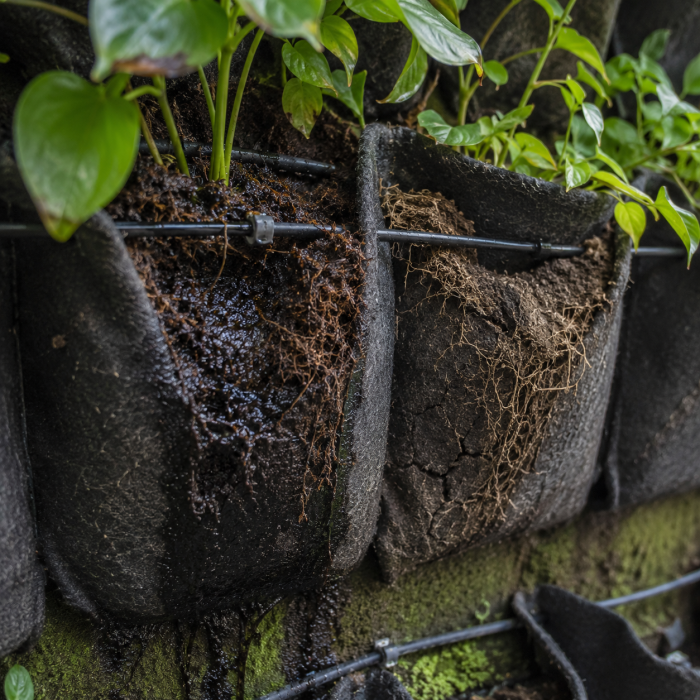
Wrong plant selection.
UAE indoor environments are challenging air-conditioned spaces run dry (often 30–40% relative humidity), light is indirect or artificial, and temperature swings occur near doors and vents. Species like ferns and peace lilies that perform well in humid temperate climates struggle here. Successful plant selection for UAE indoor green walls prioritises drought-tolerant, low-light-adapted species: pothos, ZZ plants, philodendrons, and certain ficus varieties.
Inadequate irrigation design.
Green wall irrigation is not the same as garden irrigation. Living walls require precision drip systems designed around the specific substrate, plant spacing, and wall dimensions, calibrated for Dubai’s evaporation rates, which are significantly higher than in the climates most irrigation systems are engineered for. Spray systems are cheaper to install but create inconsistent coverage and humidity problems in enclosed spaces.
Poor drainage.
A green wall system without an engineered drainage layer is a water damage risk. Excess moisture needs a clear path out of the wall cavity, collected and managed away from building finishes.
No maintenance plan.
A living wall is not a one-time installation. It’s a living system that requires scheduled pruning, fertilization, pest monitoring, and periodic plant replacement. Installations without a formal Annual Maintenance Contract (AMC) in place almost always deteriorate within the first year.
What a Properly Engineered Green Wall System Looks Like
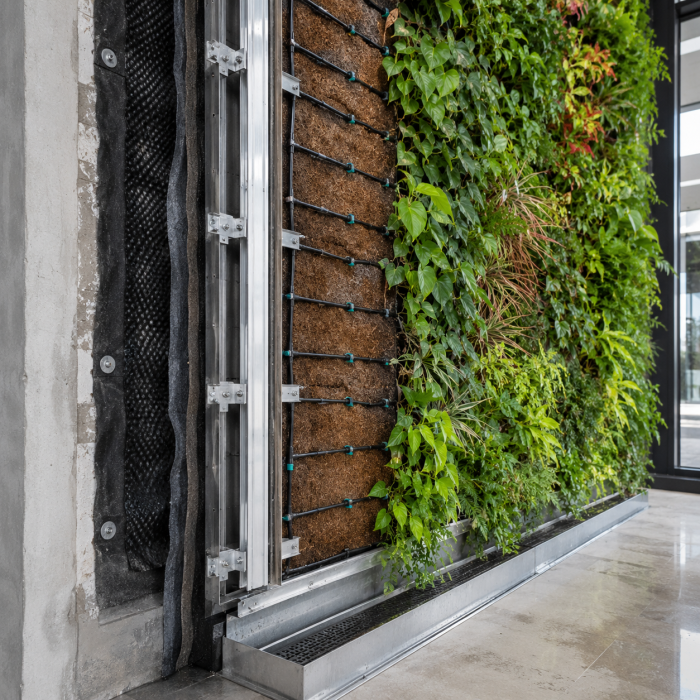
A green wall that performs in Dubai over the long term requires four things to be engineered correctly from the start.
Substrate
The growing medium must balance water retention with drainage, retaining enough moisture to sustain plant roots between irrigation cycles, while never becoming waterlogged. Felt-pocket systems, modular box systems, and hydroponic panels each have different substrate requirements and suit different wall sizes and plant types. The wrong substrate choice creates drainage failures and uneven growth regardless of how well everything else is designed.
Irrigation
For commercial indoor green walls in the UAE, precision drip irrigation is the preferred approach. Each dripper delivers water directly to the root zone of an individual plant or pocket, minimizing waste, preventing overspray onto adjacent surfaces, and allowing the system to be calibrated zone-by-zone. Drip systems should be connected to a programmable timer and, in larger installations, to soil moisture sensors that prevent both overwatering and drought stress.
Drainage
Every living wall system needs a drainage collection channel at the base, routed to a drain point. The drainage layer behind the plant pockets or modules must be continuous, no low spots where water can pool against the wall structure. For installations on gypsum board or timber-framed walls, a waterproof membrane behind the system is non-negotiable.
Plant selection for UAE indoor conditions
The most resilient performing species for Dubai indoor green walls include pothos (Epipremnum aureum), heartleaf philodendron, ZZ plant (Zamioculcas zamiifolia), dracaena varieties, and certain bromeliads. These species tolerate the humidity and light conditions typical of air-conditioned commercial interiors, and recover well from the stress of irregular maintenance.
Living, Preserved, or Artificial: Choosing the Right Green Wall for Your Project
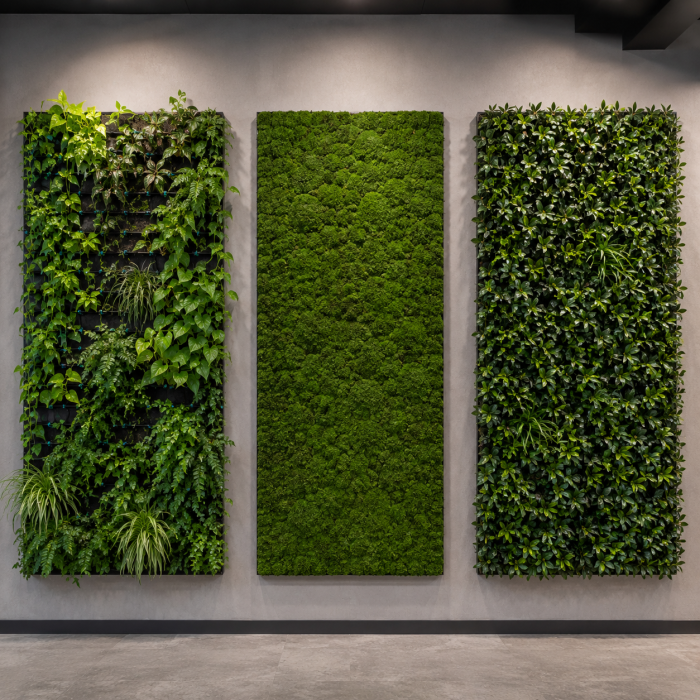
Not every project needs a living wall. Understanding the three main options allows designers and facilities teams to match the right system to the brief.
Living green walls
The most impactful option. Living walls improve indoor air quality, add biophilic value, and create a dynamic, evolving aesthetic. They require ongoing irrigation and maintenance, making them most appropriate for spaces with reliable facilities management, office lobbies, hotel atriums, F&B settings, and high-end retail. Budget for both installation and an AMC from day one.
Preserved moss walls
Preserved moss is real plant material that has been stabilized through a glycerine treatment process. Moss walls require no irrigation, no maintenance, and no natural light, making them ideal for windowless meeting rooms, corridors, and spaces where a living wall is impractical. They retain their appearance for years with minimal intervention. The trade-off: no air quality benefit, and the aesthetic, while striking, differs from a true living installation.
Artificial green walls
High-quality artificial panels have improved significantly and can be appropriate for temporary installations, budget-constrained projects, or external-facing areas with extreme heat exposure. They offer zero maintenance but deliver none of the environmental or biophilic benefits of living or preserved systems. In premium commercial settings, the visual difference from living walls is typically apparent.
Getting It Right From the Start
The green wall failures we see most often in Dubai are not the result of bad intentions. They’re the result of installations designed without accounting for the UAE’s specific climate conditions, indoor environment constraints, and the long-term care requirements of living systems.
The good news: none of these problems are inevitable. A properly specified green wall, with the right substrate, an engineered irrigation and drainage system, climate-appropriate plant selection, and a structured maintenance plan, performs reliably for years.
The key is getting the specification right before installation begins. That starts with a site assessment.
Ready to plan a green wall that lasts?
The Plantscapes team provides site assessments for architects, interior designers, and facilities managers across Dubai and the wider UAE. We evaluate your space, recommend the right system for your brief and budget, and provide a full specification including irrigation design, plant selection, and AMC structure, before a single plant goes in.