


Green Wall vs Vertical Garden: Which Is Right for Your Space?
As vertical greenery becomes a signature element in modern commercial design, many decision-makers still confuse green walls with vertical gardens. While both add natural beauty, they differ significantly in structure, performance, and long-term maintenance needs. Understanding these differences helps offices, hotels, schools, and retail spaces choose the right system for their environment and operational expectations.
What Is a Green Wall?
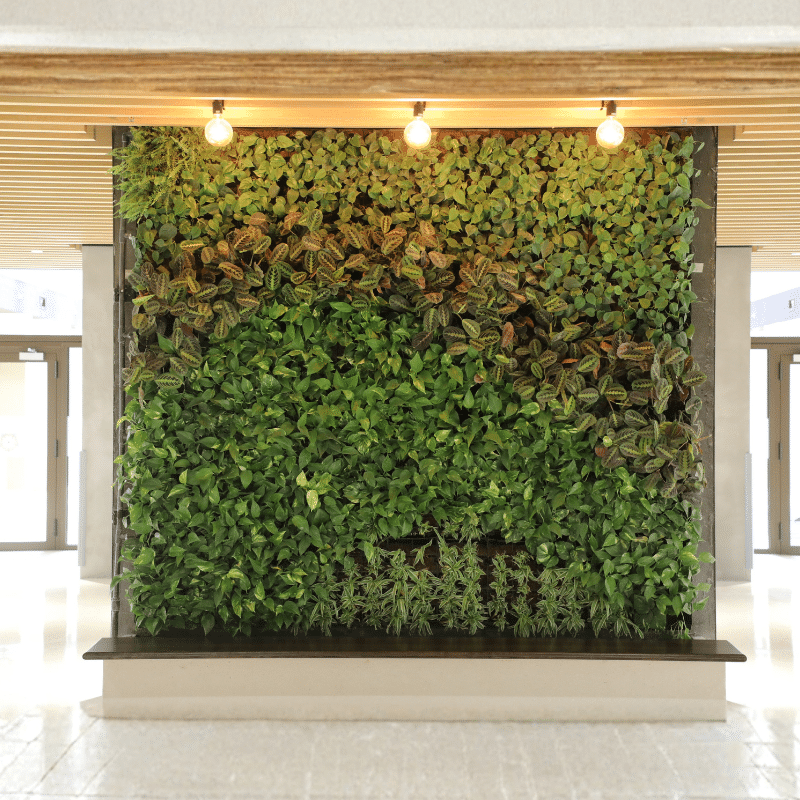
A green wall is a professionally engineered vertical planting system designed for long-term performance. It uses modular panels and integrated irrigation that support consistent plant growth and ensure healthy foliage across the entire wall. Green walls deliver a premium, uniform, and architectural finish, making them ideal for office lobbies, hotel entrances, educational institutions, and retail environments.
What Is a Vertical Garden?
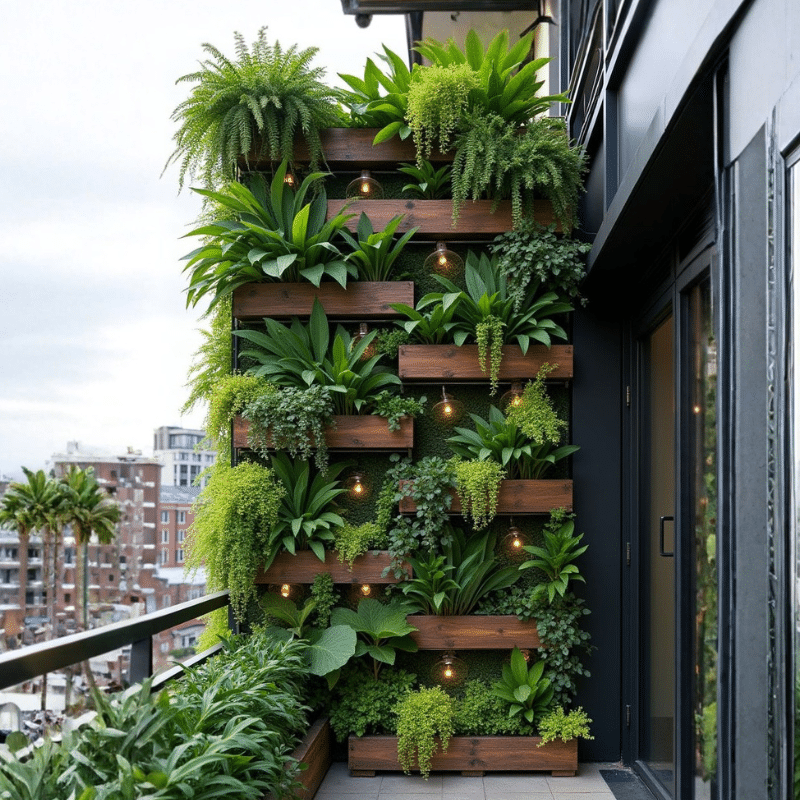
A vertical garden is a decorative wall feature created by stacking pots or planters vertically. It is visually appealing and flexible but less engineered than a green wall. As a result, vertical gardens are better suited for smaller accent areas, breakout spaces, cafés, or decorative corners where full-scale irrigation and structural support are not required.
The Key Differences
Engineering & Structure
Green Walls use modular panels with engineered support.
Vertical Gardens rely on standalone planters or pot-based stacking.
Irrigation Systems
Green Walls feature automated irrigation and drainage.
Vertical Gardens often require manual or simple drip watering.
Plant Health & Longevity
Green walls distribute water and nutrients evenly for consistent growth.
Vertical gardens may show patchy growth due to uneven watering and soil conditions.
Maintenance Requirements
Green walls are maintained via AMC (Annual Maintenance Contract) by professionals.
Vertical gardens need more frequent manual care.
Lifespan & Durability
Green walls are designed for long-term performance.
Vertical gardens are more decorative and less durable in high-traffic commercial settings.
Best Use Cases
Green Walls: receptions, high-traffic zones, branded spaces, retail interiors, hotel façades.
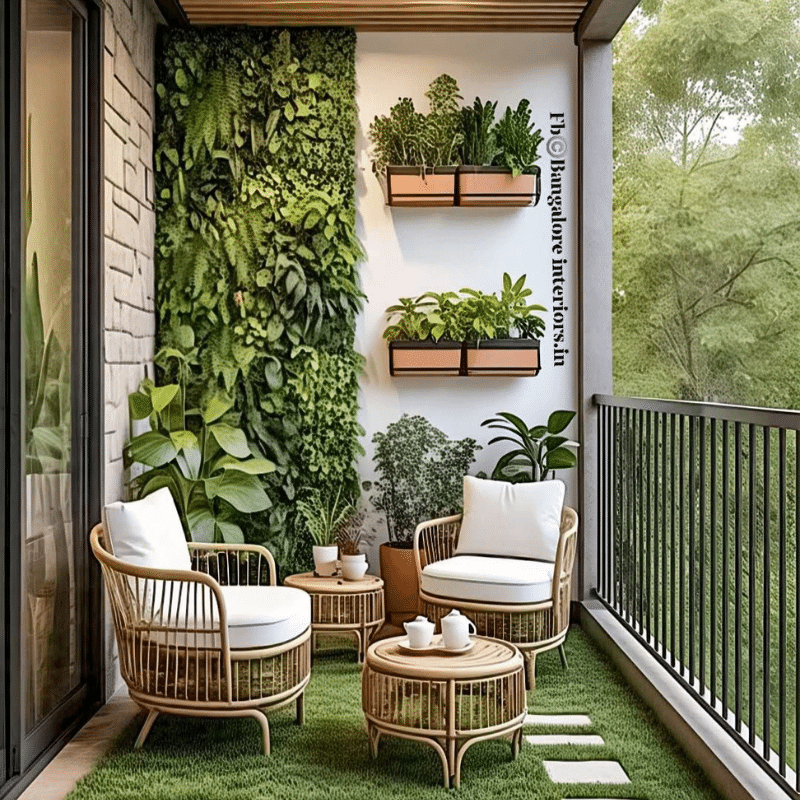
Vertical Gardens: balconies, breakout areas, feature walls, low-traffic decorative settings.
Choosing the Right Solution for Your Space
Choose a Green Wall If:
• You need a polished, architectural feature.
• You want long-term performance with minimal risk.
• You prefer automated irrigation systems.
• The installation is in a high-traffic or brand-critical zone.
Choose a Vertical Garden If:
• You want an aesthetic accent within a small footprint.
• You prefer a lightweight, budget-friendly solution.
• Manual care is manageable.
• You want flexibility with planter designs and colours.
Why Choose Plantscapes
As a pioneer in interior plant styling in the UAE since 2008, Plantscapes offers:
• End-to-end expertise: design, supply, installation, maintenance
• Specialists in green walls, moss walls, indoor plants, and planters
• Deep understanding of UAE-specific indoor conditions
• High compliance and safety standards for all installations
• Reliable AMC support for plant health and long-term performance
• Experience with hotels, offices, schools, and retail groups across the UAE
Whether you’re designing a statement wall for a hotel lobby, refreshing your office reception, or adding natural appeal to a retail space, choosing the right system ensures long-term beauty and value.
→ Book a site assessment with Plantscapes and discover the ideal solution for your space.
Operational Challenges We Address for Clients
We recommend species matched to actual light levels or offer moss wall alternatives for low-light spaces.
Our systems use sealed layers, proper drainage control, and scheduled inspections to prevent risk.
We design every installation with structured access points and lifecycle-focused planning.
Many vertical gardens fail due to incorrect plant choice, inadequate irrigation, or unmanaged maintenance. Our engineered approach eliminates these risks.
We help clients prioritize high-impact areas and implement phased rollouts for cost efficiency.
Yes. With the right species and humidity strategy, both can thrive.